The dilemma of traditional garden irrigation and the need for water saving
In the process of urban development, gardens play a vital role in improving ecological environments and enhancing residents 'quality of life. However, traditional garden irrigation methods have numerous drawbacks and can no longer meet modern society's requirements for water resource utilization and ecological conservation.
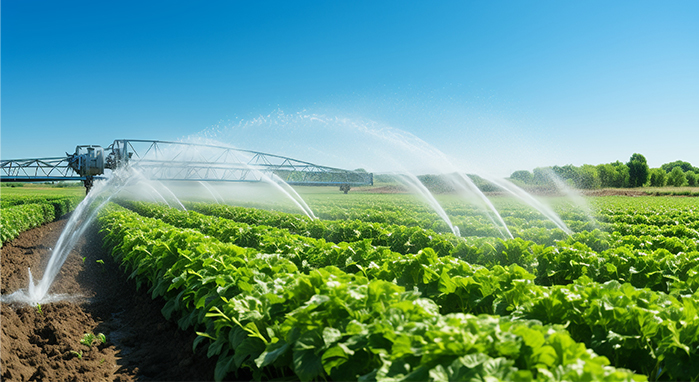
Traditional irrigation methods rely on manual scheduling and fixed quantities, often neglecting critical factors like soil moisture levels and weather patterns. This results in erratic watering practices that frequently lead to over-irrigation or under-irrigation. Excessive watering not only wastes water resources but also causes soil compaction and root oxygen deprivation, hindering plant growth. Conversely, insufficient irrigation restricts plant development and diminishes the overall landscape appeal. With global water scarcity becoming increasingly urgent, water conservation has become a top priority in urban landscaping. Building water-efficient ecological gardens serves dual purposes: it aligns with China's sustainable development strategy while driving industry transformation for the sector.
The core technology and working principle of intelligent garden irrigation
The intelligent garden irrigation system combines a variety of advanced technologies to achieve accurate control and intelligent management of the irrigation process.