Renewable water utilization has opened up a new way for water saving through sewage treatment and resource recovery, which is mainly reflected in the following aspects:
Expand water supply
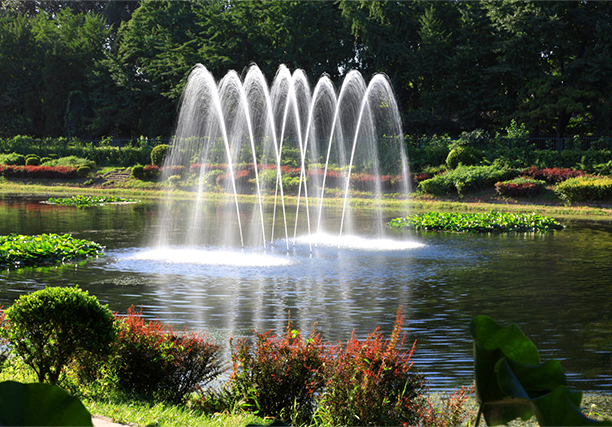
As the "second water source" for cities, reclaimed water can replace part of freshwater usage in non-potable sectors such as landscaping, sanitation, and industrial applications, effectively alleviating water scarcity. For instance, Beijing Enterprises Water Group's Yinchuan First Reclaimed Water Plant has a daily processing capacity of 300,000 tons, supplying 120,000 tons of high-quality reclaimed water daily for urban greening and river/lake replenishment, significantly improving water resource utilization efficiency.
Promote water saving and source
Through wastewater treatment, we achieve "multi-purpose water reuse and recycling," reducing reliance on natural water sources. China's reclaimed water utilization rate has increased from 25% in 2019 to 29% in 2024, with an annual consumption of approximately 18 billion cubic meters. This water is primarily used for non-potable applications such as landscaping and road cleaning, creating a virtuous cycle of "water conservation and resource expansion."
Promoting green infrastructure
Some projects integrate sewage treatment with ecology. For example, the Yinchuan project of Beikong Water Group realizes the combination of sewage treatment and park construction through semi-buried design, which not only purifies water quality but also provides leisure space, showing the advanced concept of "green infrastructure" and public participation.
Improve ecological benefits
Recycled water is used for river and lake replenishment and industrial recycling to improve the water environment. Beijing Daxing International Airport recycles more than 10 million cubic meters of rainwater every year through its rainwater collection system, which is used for road spraying and green space irrigation, achieving ecological benefits of "storing water in flood and using it in drought".